
Your rooms are already listed on Booking.com. You have reviews on Google. In addition, guests can see your photos, check availability and make a reservation online.
So does your B&B really need its own website?
In most cases, yes — but not necessarily because you need another booking system.
For a small hotel, guesthouse, inn or bed and breakfast, an independent website serves a different purpose from Booking.com or Airbnb. Booking platforms are excellent at helping travelers discover, compare and reserve accommodation. Your own website gives those same travelers a place to understand your property, trust your business and decide whether it is the right stay for them.
You do not have to choose between the two.
A well-designed hospitality website can work alongside the platforms you already use.
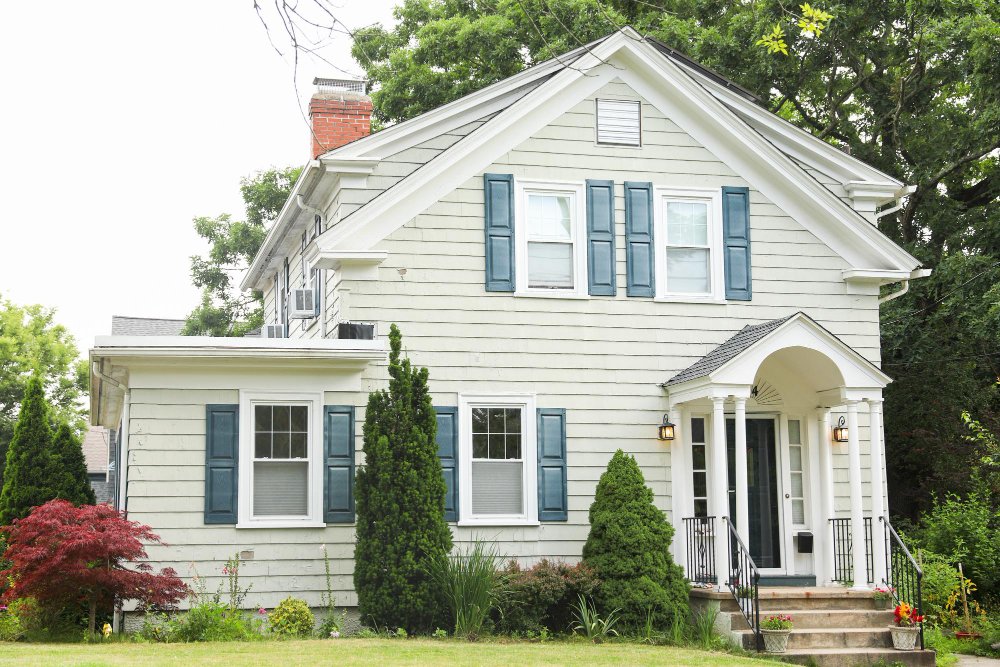
Booking.com and your website have different jobs
Booking platforms are built around transactions.
Guests can compare prices, check dates, read reviews and book a room without leaving the platform. That convenience is one of the reasons sites such as Booking.com and Airbnb are so valuable to small hospitality businesses.
But because these platforms need to present thousands of properties in a consistent format, there is only so much room to communicate what makes one B&B or inn different from another.
Your own website has a different job.
It gives you control over how guests experience your property before they arrive.
Instead of being one accommodation listing among dozens of alternatives, your website can focus entirely on your property: its atmosphere, rooms, surroundings, history, owners and the details guests care about most.
The two channels can therefore work together:
Booking platforms help guests discover and reserve your property. Your website helps them understand why they should choose it.
Guests often look for your official website before they book
Imagine a traveler discovers your inn on Google Maps or Booking.com.
They like the location. The reviews look good. The rooms seem promising.
Their next step may be to search for the name of the property on Google.
They are looking for your official website.
This is especially common with independent accommodation, where travelers often want more reassurance before making a decision. They may want to see additional photographs, understand the character of the property, learn more about the area or simply confirm that the business feels legitimate and well maintained.

Your website can confirm the decision — or create doubt
There is an important gap that sometimes appears with older hospitality websites.
The real property may be beautiful, welcoming and highly rated, while its website looks neglected.
Perhaps the rooms have recently been renovated, but the website still uses photographs from ten years ago. The property may have a lovely garden or creekside setting, yet visitors barely see it online. On mobile, room information may be difficult to find or the navigation may no longer work properly.
This creates a mismatch between the actual guest experience and the online impression.
A modern B&B website should do the opposite.
It should reassure potential guests that the quality they see in reviews is reflected throughout the business.
Your website lets you show what booking platforms cannot
A booking platform needs to standardize information so travelers can compare many properties quickly.
Your website does not have that limitation.
It can tell a more complete story.
The personality of the property
Independent hotels, guesthouses and inns often compete on character rather than scale.
A restored historic home, a family-run mountain inn and a small coastal guesthouse may all offer accommodation, but the experience of staying in each one is completely different.
Your website gives you space to communicate that difference.
You can introduce the hosts, explain the history of the building, highlight the surroundings and show the details that make the property memorable.
For many independent hospitality businesses, those details are part of the product.
Better room presentation
Room pages are one of the most important parts of a bed and breakfast website.
Instead of showing every room inside the same standardized listing format, an individual room page can clearly present:
- a large photo gallery;
- bed type and occupancy;
- room size or layout;
- private bathroom information;
- views or outdoor access;
- amenities;
- floor or accessibility information;
- rates or booking links;
- answers to common room-specific questions.
Guests can understand the differences between rooms much more easily before choosing one.
For properties where every room has its own style or character, this is particularly valuable.
The full guest experience
Travelers are not only choosing a bed.
They may be choosing breakfast on the porch, evenings beside a fire pit, access to hiking trails, a peaceful garden, mountain views or a walkable location close to restaurants.
These experiences can easily become secondary on an OTA listing.
On your own hospitality website, they can become part of the main presentation.
A strong website helps visitors picture the stay itself, not just the room they will sleep in.
Useful information before arrival
Your website can also answer the practical questions guests often have before booking:
Is parking available?
Are pets allowed?
What time is check-in?
Is breakfast included?
Are rooms located upstairs?
How far is the property from a particular attraction?
Is there somewhere to store bicycles?
Do you accommodate children?
A clear FAQ section or well-organized information pages reduce uncertainty and can also reduce repetitive enquiries for the property owner.
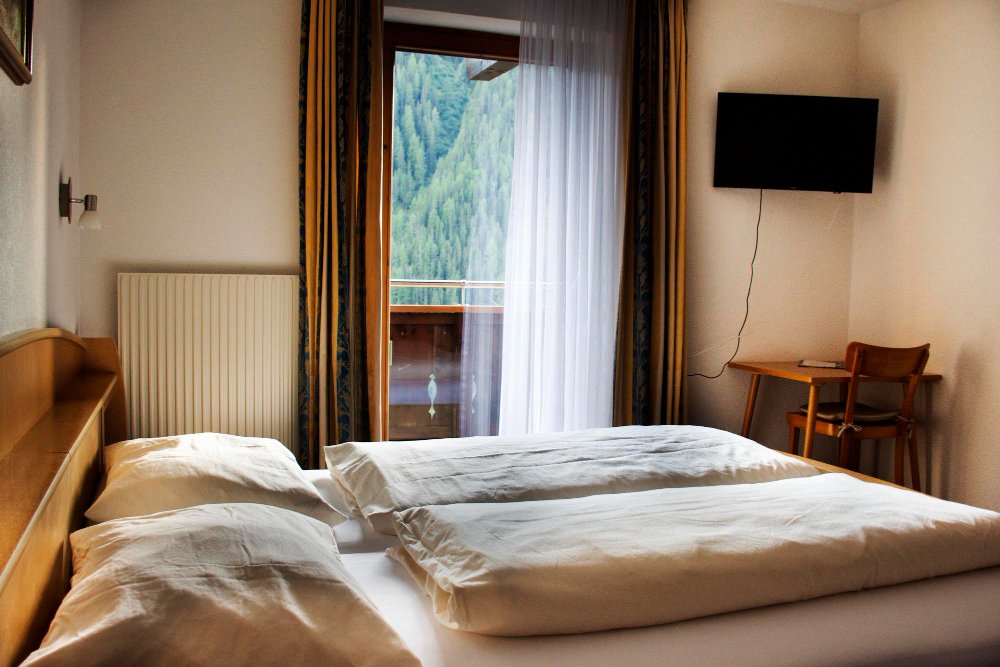
Your website gives you an online presence you control
Your Booking.com page belongs to your Booking.com presence.
Your Airbnb listing belongs to your Airbnb presence.
Your Google Business Profile exists within Google’s ecosystem.
Your website is the part of your online presence that you control.
You decide how your rooms are presented, which photos visitors see first, what information receives attention and how guests move through the site.
You can add new accommodation, update your policies, promote seasonal packages, introduce new facilities or change your calls to action without having to fit everything into another platform’s structure.
This does not mean third-party platforms are bad.
It simply means your business benefits from having its own digital home in addition to profiles on other services.
A website gives your property more opportunities to be found on Google
There is another important difference between an OTA listing and your own website: search visibility.
If somebody already knows the name of your property, they can usually find your Booking.com page or Google profile easily.
But travelers also search by what they need.
For example:
- bed and breakfast in Asheville
- historic inn near Biltmore Estate
- pet-friendly B&B in North Carolina
- guesthouse with free parking in Madeira
- accommodation near Blue Ridge Parkway
A well-structured small hotel or B&B website gives Google much more context about your property.
Your homepage can target your main accommodation type and location.
Individual room pages can describe specific accommodation options.
A location page can explain what guests can do nearby.
You can also create useful content about local attractions, events or travel planning when those topics genuinely help your guests.
This does not mean simply publishing dozens of generic SEO articles.
Good hotel website SEO starts with making the property’s real information clear and accessible.
The goal is to help search engines understand what you offer, where you are located and which travelers your accommodation may be relevant to.
You don’t need to build your own booking system
One of the biggest misconceptions about creating a website for a B&B or guesthouse is that the business must also start managing its own reservation technology.
It does not.
If Booking.com already works well for your property, you can continue using it.
Keep Booking.com as your booking platform
A simple customer journey might look like this:
Visitor discovers your property → explores your website → chooses a room → clicks Check Availability → completes the reservation on Booking.com.
Your website handles presentation.
Booking.com handles the reservation.
For many small hospitality businesses, this is a perfectly practical setup.
You gain a professional independent website without introducing another reservation system for your team to manage.
Add direct enquiries if they make sense
You can also give visitors another way to contact you.
For example, an individual room page can include a simple enquiry form for guests who have questions before booking.
Other options may include phone, email or WhatsApp, depending on how your business prefers to communicate.
The enquiry can go directly to your existing email inbox.
Add direct booking later if you want to
If your business eventually decides to accept direct online reservations, the website can be expanded later with a booking engine.
You do not have to make that decision on day one.
A website can be useful long before it processes its first direct booking.
What does a good B&B website actually need?
A small hospitality website does not need to be complicated.
It needs to make the decision-making process easy.
1. A clear homepage
Visitors should immediately understand what the property is, where it is located and what makes it worth considering.
Avoid vague introductions that could describe any hotel.
Show the real experience.
2. Individual room pages
Every room should be easy to explore.
Photos, amenities, key information and the booking action should stay close together so visitors do not need to search across several pages.
3. High-quality property photography
Hospitality is visual.
Guests want to understand the rooms, common spaces, surroundings and overall atmosphere before making a reservation.
Real property photography is far more useful than decorative stock imagery.
4. Clear booking or enquiry actions
Visitors should always know what to do next.
That might be Check Availability, Book on Booking.com, View Rooms or Send an Enquiry.
The exact wording matters less than keeping the path clear.
5. Location and things to do
For many B&Bs and small hotels, the destination is part of the reason guests book.
Show where the property is located and what visitors can experience nearby.
This is useful for both guests and local SEO.
6. Reviews
Strong guest feedback reduces uncertainty.
Relevant reviews can be placed near rooms, key selling points or calls to action rather than hidden on a separate testimonials page.
7. Practical information
Parking, breakfast, accessibility, pets, check-in, cancellations and other important details should be easy to find.
Guests should not need to email you for information that could have been answered on the website.
8. A mobile-friendly design
Travelers frequently research accommodation from their phones.
Room galleries, navigation, buttons and contact information must therefore work just as well on a small screen as on desktop.
A beautiful desktop website that becomes difficult to use on mobile is not a good hospitality website.
What if you already have a website — but it is outdated?
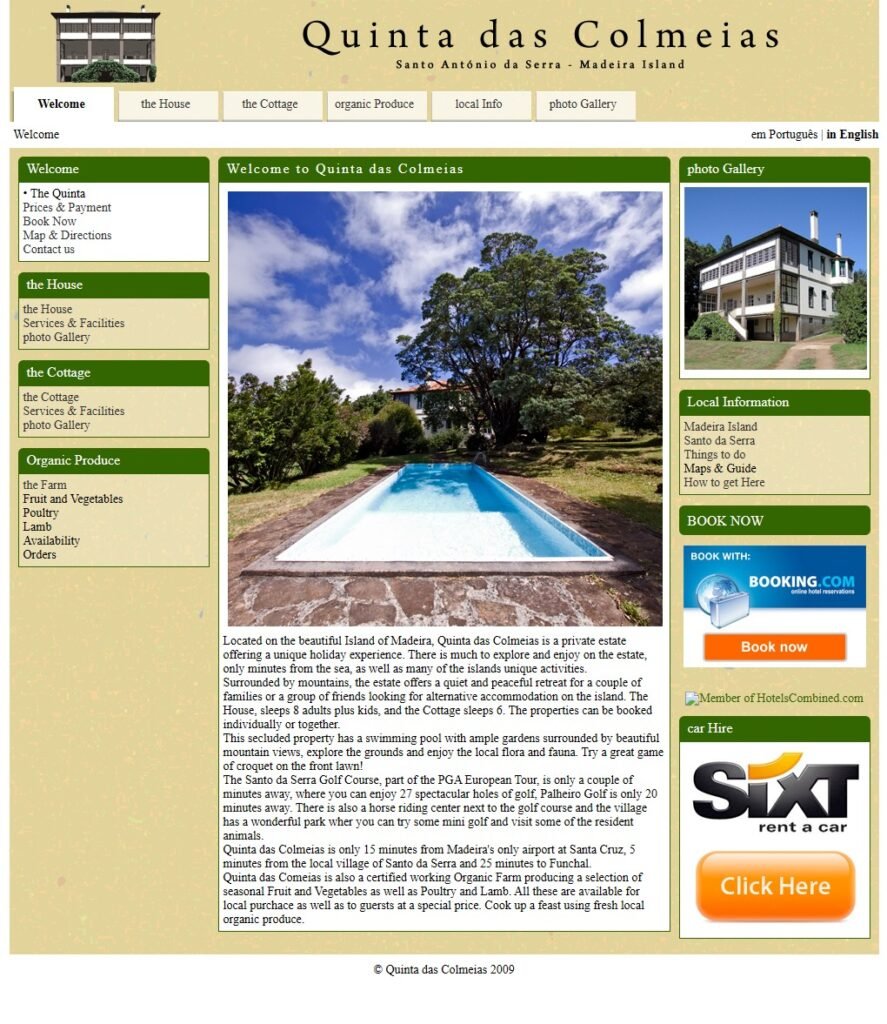
Not every B&B needs a new website.
Sometimes the existing site is already doing its job well.
But many independent properties have simply outgrown the website they created years ago.
The accommodation has improved.
The rooms have been renovated.
New amenities have been added.
The photography is better.
Guest reviews are stronger.
Yet the website still represents an earlier version of the business.
When that happens, a redesign is not just about making the site look more modern.
It is about bringing the online presentation back in line with the actual quality of the property.
An outdated website may also make basic tasks harder than they need to be: comparing rooms, finding policies, viewing photographs, using the site on mobile or reaching the booking page.
If that sounds familiar, you may also want to read 7 Signs Your Website Needs a Redesign.
So, does your B&B really need its own website?
If Booking.com or Airbnb already generates reservations for your property, you do not need to replace those platforms simply because you create a website.
They can continue doing what they do well.
Your website has a different role.
It gives your B&B, guesthouse, inn or small hotel an official online presence that you control. It helps guests see the full character of the property, understand the rooms, find practical information and feel confident about their decision.
It also gives your business more opportunities to appear in relevant Google searches and creates a foundation you can build on later.
Booking.com can handle the reservation.
Your website can handle everything that happens before it: discovery, presentation, trust and the decision to choose your property.
Does your property look as good online as it does in real life?
I design and build websites for independent B&Bs, guesthouses, inns and small hotels — including properties that prefer to keep their existing Booking.com, Airbnb or third-party reservation system.
The goal is not to make your website more complicated.
It is to give your property a clear, modern online presence that reflects the experience you already provide to your guests.
Tell me about your project